Does the tooth have to come out?
Often not. If the nerve is inflamed, root canal treatment can save your own tooth in many cases. We use machine preparation and laser assistance.
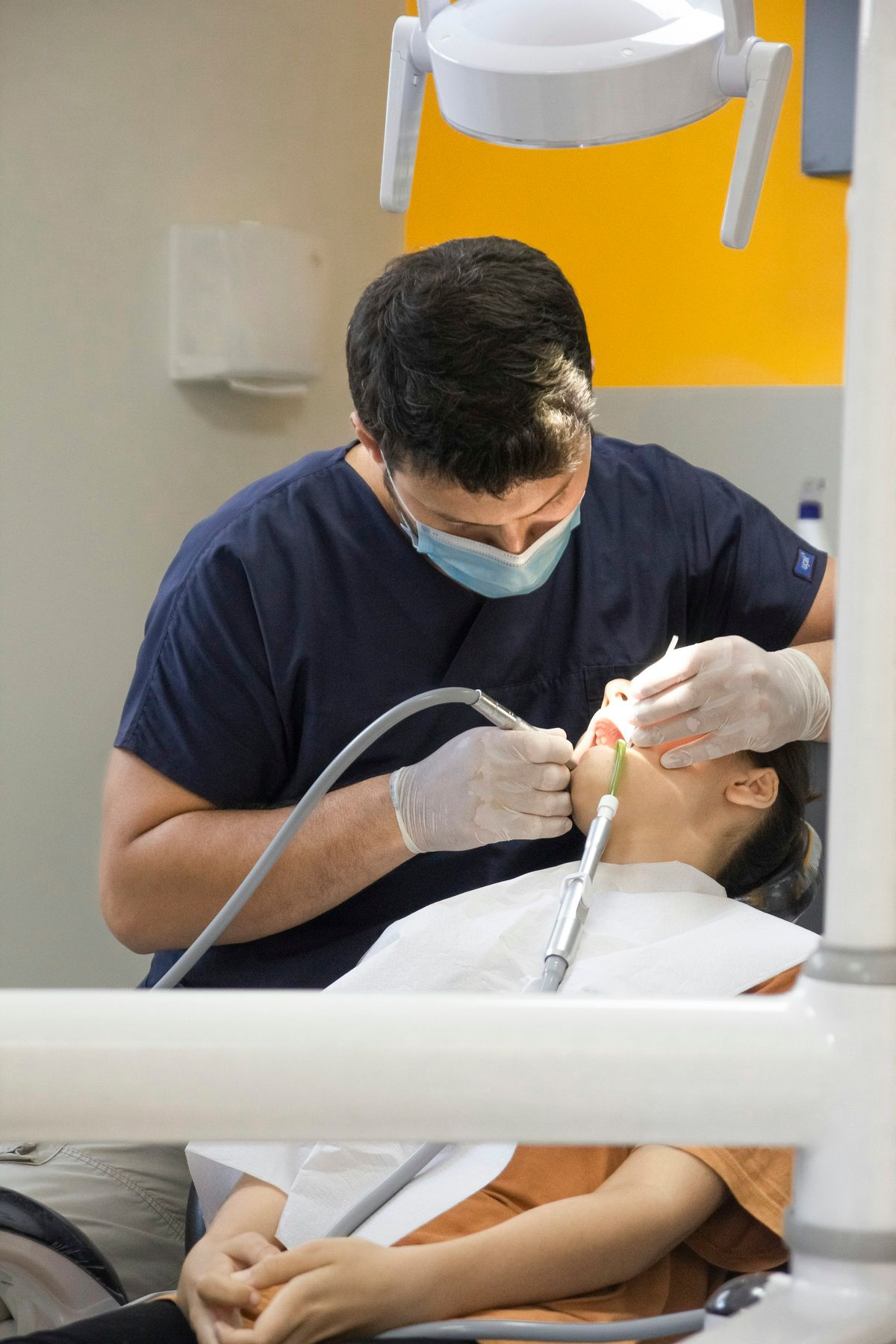
What may be happening
Throbbing or radiating pain, strong sensitivity to heat or swelling often point to an inflamed nerve, from deep decay, a crack or an injury, for example. Left untreated, the inflammation can spread, so it’s worth coming in early.
How we approach it
Anaesthetic
The tooth is numbed locally.
Machine preparation
We clean and shape the fine root canals by machine, precisely and evenly.
Laser disinfection
The laser reduces bacteria in the canals, including where instruments struggle to reach.
Tight seal
A thermoplastic filling adapts to the canals and seals them tightly.
Restoration
The tooth is then restored with a filling or crown.
Your questions
Treatment
When does a root canal make sense?
When the nerve is inflamed or has died but the tooth can still be saved. We check this with an examination and usually an X-ray.
Comfort
Is a root canal painful?
The tooth is numbed during treatment. It may be sensitive for a few days afterwards, which usually settles on its own.
Timing
How many appointments?
Usually two to three, depending on the tooth and the inflammation.
Cost
What does insurance cover?
Root canal treatment is covered by statutory insurance if the tooth is considered worth saving. Extras such as laser disinfection may be billed privately, and we discuss that beforehand.
In pain? Call us.
For acute problems, call us directly during opening hours.
Outside opening hours: Berlin dental emergency service, 030 89004-333