Do you grind your teeth at night, or does your jaw feel tense?
A custom-fitted splint protects your teeth and can relieve your jaw joints. A function analysis shows where the problem comes from.
via Doctolib · new patients welcome
What may be happening
Many people grind or clench in their sleep without noticing, often when stressed. Typical signs are a tense jaw in the morning, worn or sensitive teeth, headaches or earache, or a clicking jaw joint.
How we approach it
Examination
We look at your teeth, jaw muscles and jaw joints.
Function analysis
If needed, we look more closely at how your upper and lower jaw work together.
Impression
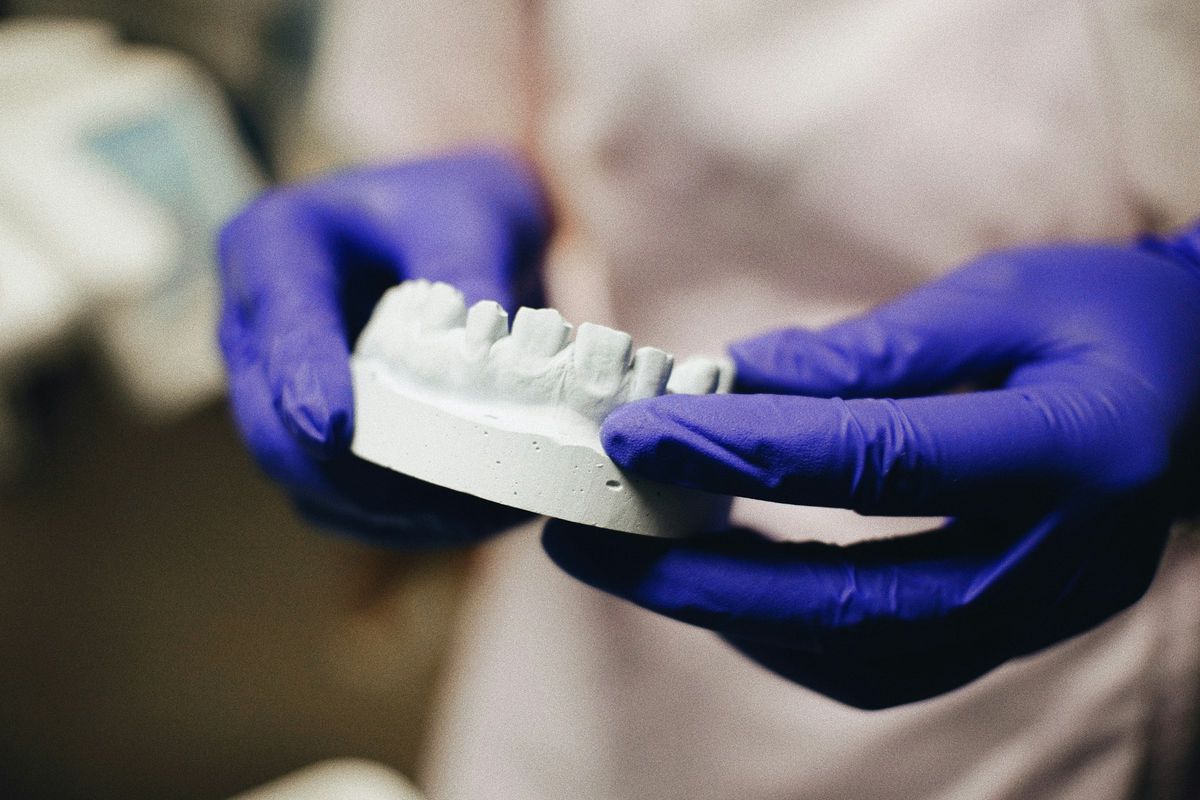
We take an impression of your teeth.
Your splint
The custom-made splint is fitted. It’s usually worn at night.
Follow-up
We check the fit regularly and adjust the splint if needed.
Your questions
Treatment
Does a splint stop grinding?
It protects your teeth from wear and can relieve the muscles and jaw joints. Grinding itself often has other causes, such as stress, and we’ll talk about that too.
Comfort
Is it uncomfortable to wear?
The splint is thin and fitted to you. Most people get used to it within a few nights.
Timing
How long does it take?
After the impression, the splint is usually ready in one to two weeks.
Cost
What does insurance cover?
Statutory insurance covers a bite splint when it’s medically necessary. The extended function analysis is a private service.
Have your jaw checked
The sooner, the better for your teeth.